
Introduction: Mastering SEO Search Engines for Long-Term Success
In today’s digital landscape, securing a strong online presence is a must for businesses in Sydney, Australia. Understanding how search engines rank websites is the key to enhancing visibility and driving traffic. This article will guide you through essential SEO search engine strategies, particularly the power of link outreach, to help you climb the rankings, boost organic traffic, and ultimately achieve long-term business success.
As businesses compete in an ever-evolving digital space, effective SEO strategies become more crucial. By implementing targeted SEO search engine practices, businesses can increase their online visibility and attract potential customers. Let’s dive into the core principles and actionable strategies to master SEO for search engines.
What is SEO Search Engine Optimization?
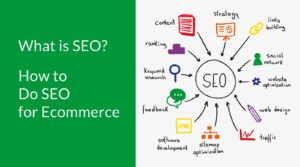
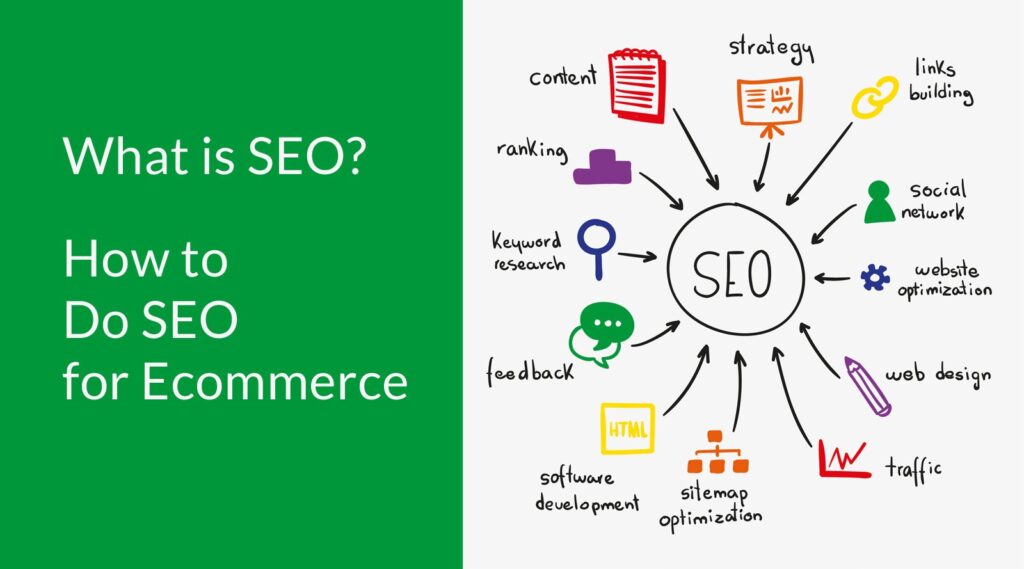
SEO (Search Engine Optimization) is the process of improving your website’s visibility on search engines like Google, Bing, and Yahoo. It involves various strategies aimed at making your website more attractive to search engines by ensuring your content is relevant, valuable, and easily accessible.
Effective SEO can elevate your website in search engine rankings, making it easier for users to find your business, whether they’re searching for local services in Sydney or looking for solutions globally.
Core Elements of SEO for Search Engines
- On-page SEO: Ensuring that your website’s content is optimized for the target keywords. This includes titles, meta descriptions, headers, and body content.
- Off-page SEO: Building external factors like backlinks, social signals, and user engagement to improve your site’s authority.
- Technical SEO: Optimizing your website’s technical aspects, such as site speed, mobile-friendliness, and crawlability.
- Local SEO: Optimizing for location-based search results to attract local customers, especially important for Sydney-based businesses.
By mastering these elements, your site can achieve better rankings on search engines, attract organic traffic, and convert visitors into customers.
How SEO Search Engines Work: A Deep Dive
SEO search engines rely on algorithms to crawl, index, and rank content based on several ranking factors. Understanding these factors is key to building a robust SEO strategy.
1. Crawling and Indexing
Search engines like Google send “bots” to crawl your website, searching for valuable content. Once crawled, this content is indexed in their database, making it available for users to find when they search for related queries.
2. Ranking Algorithms
Google’s algorithm considers hundreds of factors when ranking websites. These include the quality and relevance of the content, the number of backlinks, the user experience, and technical SEO factors such as page load speed.
3. Keyword Relevance and User Intent
To rank well, your website must contain content that aligns with user search intent. If users are searching for “best SEO practices for Sydney businesses,” your website should answer their query directly with high-quality, relevant content.
4. Backlink Profile
Links from other reputable websites act as endorsements for your content. Backlinks play a crucial role in how search engines perceive the authority and trustworthiness of your website. Quality, not quantity, matters when building backlinks.
Benefits of SEO Search Engine Optimization
SEO offers numerous benefits to businesses looking to enhance their online presence. These benefits extend beyond just higher rankings and more traffic.
1. Increased Organic Traffic
By ranking higher for relevant keywords, your website is more likely to appear in search results, driving more traffic to your site.
2. Enhanced Brand Credibility
Websites that rank higher in search results are often viewed as more credible by users. Consistently appearing on the first page of Google builds brand trust.
3. Long-Term Results
SEO provides long-term, sustainable growth. While paid ads provide short-term traffic, SEO offers long-lasting results and a consistent stream of organic visitors over time.
4. Better ROI (Return on Investment)
Compared to paid advertising, SEO offers a higher ROI because it targets users who are actively searching for your services or products, making them more likely to convert.
The Role of Link Outreach in SEO Search Engine Strategies
One of the most effective ways to boost your website’s SEO is through link outreach. Link outreach involves obtaining backlinks from other authoritative websites in your industry. Here’s how it plays a crucial role in SEO:
Why Link Outreach Matters
- Building Domain Authority: Backlinks act as signals to search engines that your website is trustworthy. When authoritative sites link to you, it increases your site’s authority and relevance.
- Improving Search Engine Rankings: High-quality backlinks help improve your search rankings by demonstrating that your content is valuable and relevant.
- Referral Traffic: Besides SEO benefits, link outreach can drive traffic directly from other websites, further expanding your online reach.
How to Conduct Link Outreach Effectively
- Identify Relevant Websites: Focus on websites within your industry that have strong domain authority and share your target audience.
- Craft a Personalized Outreach Email: Instead of sending generic messages, craft personalized emails that explain why your content is valuable and how it benefits their audience.
- Guest Blogging and Content Collaboration: Offering guest posts or collaborating on content can be a mutually beneficial way to earn backlinks while providing value to the target website’s audience.
- Leverage Social Media for Exposure: Share your content on social platforms and ask others to link back to it if they find it useful. This can increase the chances of getting backlinks from influencers or businesses.
Step-by-Step Framework for SEO Search Engine Success
Implementing SEO requires a clear, strategic approach. Follow this step-by-step framework to maximize your SEO efforts:
1. Conduct Comprehensive Keyword Research
Use tools like Google Keyword Planner or Ahrefs to find relevant keywords for your business. Focus on a mix of short-tail and long-tail keywords to optimize for both search volume and user intent.
2. Optimize On-Page Elements
- Title Tags: Include your primary keyword within 60 characters.
- Meta Descriptions: Write compelling meta descriptions that include primary and secondary keywords.
- Headers: Use H2s and H3s for better readability and SEO.
- Content: Ensure content is informative, well-structured, and provides value to the reader.
3. Enhance Technical SEO
- Improve website load speed using tools like Google PageSpeed Insights.
- Ensure your site is mobile-friendly.
- Create an XML sitemap to help search engines crawl and index your website more efficiently.
- Fix any broken links to improve user experience and prevent crawl errors.
4. Develop a Link Outreach Strategy
- Identify link-building opportunities using tools like Ahrefs or SEMrush.
- Reach out to high-authority websites for backlinks.
- Monitor backlinks regularly to ensure quality and relevance.
5. Track, Measure, and Adjust
Use Google Analytics and Google Search Console to monitor your SEO performance. Track rankings, organic traffic, and conversions to identify areas for improvement.
Best Practices & Advanced Tips for SEO Search Engines
Here are a few advanced tips to further enhance your SEO strategy:
- Create Skyscraper Content: Develop in-depth content that covers your topic comprehensively, offering more value than what competitors provide.
- Optimize for Voice Search: With voice search on the rise, optimize content to answer conversational queries.
- Focus on User Experience: Google’s Core Web Vitals measure user experience factors like loading speed and interactivity. Ensure your website is optimized for these metrics.
- Utilize Structured Data: Implement schema markup to help search engines understand your content better and enhance your appearance in rich snippets.
Common Mistakes in SEO Search Engine Strategies and How to Avoid Them
1. Keyword Stuffing
Overusing keywords can make content appear unnatural and lead to penalties. Always prioritize readability and user experience over keyword frequency.
2. Ignoring Mobile Optimization
With mobile traffic surpassing desktop usage, ensuring your website is mobile-friendly is essential for ranking.
3. Focusing Solely on Rankings
While rankings are important, focusing only on them without considering conversions, user engagement, or technical performance can hinder your SEO efforts.
FAQ Section
Q1: How long does it take to see SEO results?
A1: SEO results typically take 3-6 months to manifest, depending on the competitiveness of the industry and the quality of your strategy.
Q2: What is link outreach in SEO?
A2: Link outreach is the process of acquiring backlinks from external websites to improve domain authority and rankings.
Q3: Is SEO better than paid advertising?
A3: While paid ads offer immediate results, SEO provides long-term, sustainable growth at a lower cost in the long run.
Q4: What are backlinks, and why are they important?
A4: Backlinks are links from other websites to your site. They are important because they signal authority and relevance to search engines.
Q5: Can local businesses in Sydney benefit from SEO?
A5: Yes, local businesses can significantly benefit from SEO by optimizing for local search queries and enhancing their visibility in Sydney.
Conclusion: Start Your SEO Search Engine Journey Today
SEO is an essential long-term strategy for businesses in Sydney looking to grow online. By understanding how search engines work, leveraging link outreach, and implementing best practices, you can boost your website’s visibility, drive organic traffic, and improve your bottom line.
Begin implementing these strategies today and stay consistent in optimizing your content and technical aspects. The path to SEO success is ongoing, but with the right approach, your Sydney business can achieve lasting growth.
For further guidance or expert assistance in executing these strategies, feel free to contact an SEO professional.